
Building Connection

Main Menu

  • Articles
    • Columns
    • Features
  • News
    • Business Matters
    • Design
    • Fire safety
    • Heritage Trades
    • Materials
    • Prefabrication
    • Research
    • Safety
    • Sustainability
  • Products
    • Adhesives and sealants
    • Bricks
    • Cladding
    • Concrete
    • Doors
    • Fences
    • Flooring
    • Interiors
    • Joinery
    • Pest control
    • Plumbing
    • Roofing
    • Steel
    • Storage
    • Technology
    • Tiling
    • Timber
    • Tools & clothing
    • Vehicles
    • Walls
    • Waterproofing
    • Windows
  • Resources
    • Building TV
    • Standards and Regulations

logo

Building Connection

  • Articles
    • Columns
    • Features
  • News
    • Business Matters
    • Design
    • Fire safety
    • Heritage Trades
    • Materials
    • Prefabrication
    • Research
    • Safety
    • Sustainability
  • Products
    • Adhesives and sealants
    • Bricks
    • Cladding
    • Concrete
    • Doors
    • Fences
    • Flooring
    • Interiors
    • Joinery
    • Pest control
    • Plumbing
    • Roofing
    • Steel
    • Storage
    • Technology
    • Tiling
    • Timber
    • Tools & clothing
    • Vehicles
    • Walls
    • Waterproofing
    • Windows
  • Resources
    • Building TV
    • Standards and Regulations
NewsResearch
Home›News›Turning old tyres into tougher NT roads

Turning old tyres into tougher NT roads
By Casey McGuire
December 4, 2025
0
0

Almost half of the Northern Territory’s end-of-life tyres are sent to landfill and the rest are exported interstate for recycling, but a Charles Darwin University (CDU) study is turning that waste into stronger, more sustainable roads designed for the Territory’s extreme conditions. The project is a partnership between CDU and the NT Government’s Department of Logistics and Infrastructure.

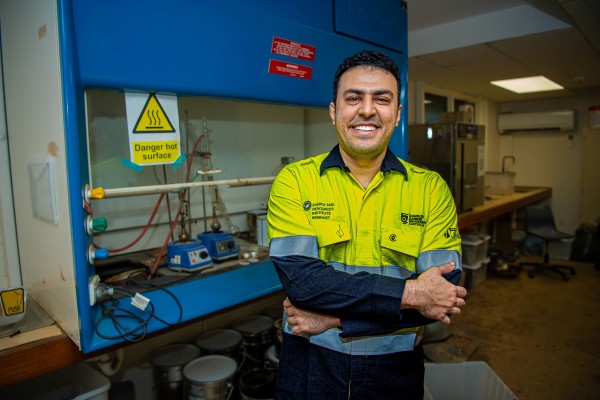
The research is examining how roads made with bitumen and asphalt modified with shredded tyre waste and recycled plastics perform compared to traditional materials. Study lead author and CDU PhD candidate Ramin Shahbazi says materials developed for cooler climates often fail to withstand the NT’s heat and UV exposure.

“The hot weather up here means the long-term effects of ageing roads cause different chemical reactions within the pavement, which makes the road harder or more brittle and leads to damaged roads,” he says.

“We’re working to match the performance of regular pavement materials by using recycled materials, but I think there’s potential we could surpass that performance.”

Ramin says the approach could also deliver more cost-effective construction and maintenance outcomes: “Paying for an expensive polymer just to meet the traffic and weather conditions of Territory roads is like adding an environmental cost to the infrastructure’s overall price tag.”

He hopes the project will help standardise the use of recycled materials in infrastructure and encourage investment in local recycling facilities. Tyre Stewardship Australia’s 2023-24 annual report shows 500,000 tonnes of tyres reach their end-of-life stage nationally each year, highlighting the scale of the opportunity.

“Investing in the specific recycling facilities for these materials will then contribute to the circular economy in the Territory,” Ramin says.

Previous Article

TAFE NSW trainee switches from sport science ...

Advertisement

SIGN UP TO OUR NEWSLETTER

Advertisement

Latest posts

  • Turning old tyres into tougher NT roads
  • TAFE NSW trainee switches from sport science to sprinkler fitting and finds her calling
  • MATES launches hi-vis workwear to celebrate peer suicide prevention volunteers
  • Turning lattes into low-carbon concrete: RMIT shows coffee waste can cut emissions
  • 520Hz smoke alarms available in Australian homes
  • Home
  • About Building Connection
  • Download Media Kit
  • Contribute
  • Contact Us