
Dulux Acratex forecasts shift toward tactile, nature-led finishes
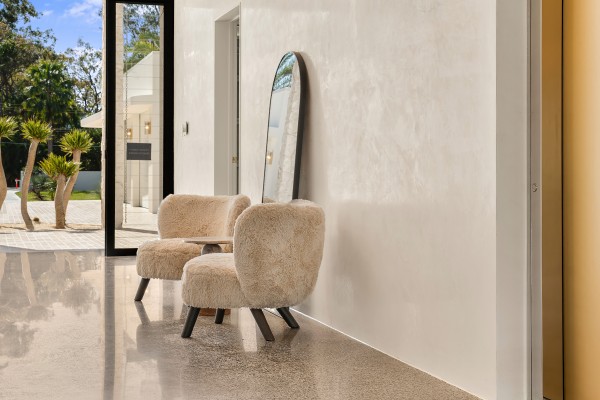
Dulux Acratex has outlined key specification trends shaping exterior and interior surface finishes, citing increased demand for systems that combine design flexibility with technical performance.
Architects and designers are moving toward layered façades and mixed-material compositions, replacing monolithic finishes with textured systems that provide depth and material contrast, according to Dulux Acratex. There is also a continued focus on seamless transitions between interior and exterior environments, requiring coatings suitable for application across multiple substrates and exposure conditions.
“Earthy neutrals, mineral shades and muted greys are being selected for their ability to respond to light, landscape and climate, while supporting cohesive architectural outcomes across internal and external spaces,” Dulux Acratex marketing manager Georgina Raudon says.
Concrete and cement-look finishes remain in demand, particularly systems that replicate the appearance of raw concrete without requiring a structural concrete substrate. Microcement and Venetian plaster-style coatings are being specified to deliver subtle surface variation and tactile character, while maintaining durability and application flexibility.
The Dulux Acratex range includes AcraStone, Venetian plaster finishes and textured roll-on systems such as Mediterranean Classique, Tuscany Fine and Marmarino Naturale, designed to achieve natural stone and limestone aesthetics. The AcraShield Concrete range provides a smooth, mottled finish aligned with contemporary concrete design trends.
Beyond decorative finishes, Dulux Acratex supplies integrated roofing systems, waterproofing and protective membrane solutions including AcraSkin, as well as cladding systems such as the recently introduced StoneShield Cladding System.